

Der richtige Innenraum-Reiniger ist eine Frage der Fläche
Die meisten greifen bei der Innenraum-Reinigung zur erstbesten Flasche und wischen damit einmal quer durchs Auto. Cockpit, Display, Türverkleidung, Sitze, alles mit demselben Mittel. Was dabei niemand sagt: Der teuerste Fehler passiert nicht beim Schrubben, sondern beim Griff zur falschen Flasche. Ein Infotainment-Display verzeiht den falschen Reiniger genau einmal.
Ein Innenraum-Reiniger ist keine Einzelflasche, sondern eine Produktklasse mit klaren Unterschieden. Wer pH-Wert, Verdünnung und Fläche zusammen denkt, reinigt schneller, sicherer und mit weniger Produkten als gedacht.
Ein Reiniger löst Schmutz, eine Pflege versiegelt ihn
Innenraum-Reiniger lösen Fett, Staub und Hautablagerungen von Kunststoff, Textil und Leder, während Pflegeemulsionen die gereinigte Fläche schützen und das Finish bestimmen. Zwei Aufgaben, zwei Produktklassen.
Diese Unterscheidung klingt banal, ist aber der häufigste Denkfehler beim Kauf. Ein Cockpitspray aus dem Baumarkt verspricht beides in einem Schritt: reinigen und glänzen. Tatsächlich verteilt es Silikonöl über den Schmutzfilm. Das Ergebnis sieht zwei Tage gut aus, dann bindet die schmierige Oberfläche neuen Staub schneller als vorher.
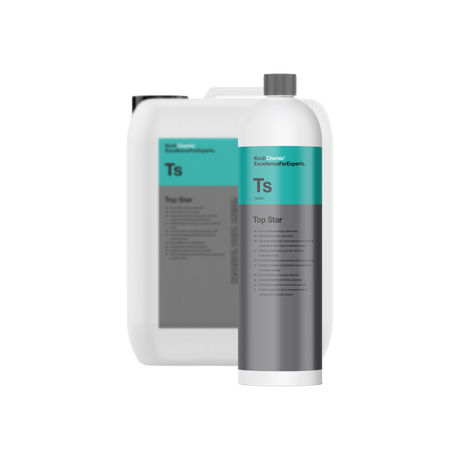
Bei der Reinigung gilt deshalb das Zwei-Schritte-Prinzip. Erst löst ein Reiniger den Schmutz und wird mit dem Mikrofasertuch abgenommen. Dann kommt, wer das seidenmatte Finish will, eine Pflege wie der Koch-Chemie Top Star „Ts" auf die saubere Fläche. Wer die Pflege auf verstaubten Kunststoff sprüht, versiegelt den Schmutz gleich mit und sieht nach zwei bis drei Tagen fleckige Stellen und Wasserränder.
In der Pollensaison kommt eine dritte Aufgabe dazu. Gräserpollen haben ihre Hauptblütezeit von Mai bis Juli und sammeln sich über die Lüftung und die Kleidung im Innenraum, gerade jetzt im Juni liegt die Belastung auf dem Jahreshoch. Rund 15 Prozent der Menschen in Deutschland reagieren allergisch darauf. Eine gründliche Innenraum-Reinigung ist für Allergiker deshalb keine Kosmetik, sondern Lufthygiene.
Ein Blick auf die Chemie erklärt, warum „silikonölfrei" auf dem Etikett mehr ist als Marketing. Silikonöle bilden keine feste Verbindung mit dem Kunststoff, sie bleiben als wandernder Film auf der Oberfläche liegen. Von dort kriechen sie über Luftströmung und Fingerkontakt weiter, auf die Frontscheibe, auf Glasflächen, später auf den Lack. Das stört nicht nur die Sicht bei Gegenlicht, sondern auch jede spätere Politur oder Klebearbeit am Fahrzeug. Eine silikonölfreie Emulsion bleibt dagegen dort, wo du sie aufgetragen hast.
Vom pH-Wert hängt ab, was dein Kunststoff übersteht
Stark alkalische Universalreiniger mit pH-Werten zwischen 10 und 13 lösen Fett enorm gut, laugen aber unverdünnt empfindliche Kunststoffe aus und können Weichmacher aus der Oberfläche ziehen.
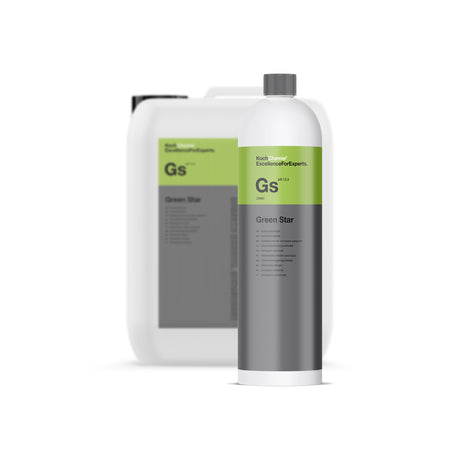
Der Koch-Chemie Green Star „Gs" trägt seinen pH-Wert von 12,5 direkt auf dem Etikett. Das ist eine Ansage: pur ist er ein Profi-Reiniger für grobe Aufgaben, im Innenraum gehört er konsequent verdünnt, als Faustwert eine Verdünnung von 1:10 für Armaturenbrett und Türverkleidung. So bleibt die Fettlösekraft, ohne dass die Oberfläche ausblasst oder versprödet.
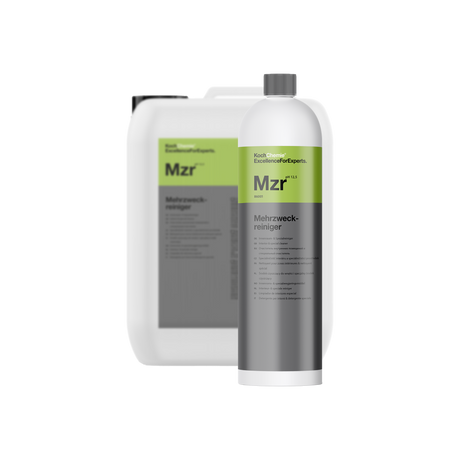
Der Mehrzweckreiniger „Mzr" ist die zugänglichere Wahl für regelmäßige Innenraum-Reinigung. Auch er ist ein Konzentrat und wird verdünnt gearbeitet, verzeiht aber mehr und deckt vom Kofferraum bis zur Mittelkonsole fast alles ab. Nutzer bewerten ihn in verifizierten Bewertungen durchgehend mit Bestnoten, was zu seiner Rolle als unser meistverkaufter Reiniger passt.
Pflegeemulsionen sind dagegen annähernd neutral formuliert. Sie sollen das Material nicht angreifen, sondern sättigen und schützen. Deshalb steht die Pflege immer am Ende der Kette, nie am Anfang.
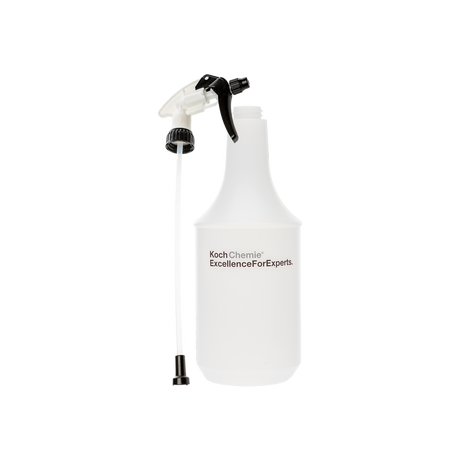
Konzentrate rechnen sich dabei doppelt. Aus einem Liter Green Star werden bei einer Verdünnung von 1:10 rund elf Liter gebrauchsfertige Lösung, genug für eine ganze Saison Innenraum-Reinigung inklusive Einstiegen und Kofferraumwanne. Wichtig ist nur die Disziplin beim Anmischen: Verdünnung in eine separate Sprühflasche, Mischverhältnis auf die Flasche schreiben, und die Lösung zeitnah aufbrauchen statt monatelang lagern. So bleibt jede Mischung nachvollziehbar und du greifst nie versehentlich zur puren Variante.

Display und Softtouch verzeihen den falschen Reiniger nicht
Infotainment-Displays bestehen nicht aus Glas, sondern aus weichem Polycarbonat mit hauchdünnen Antireflex-Beschichtungen, die alkoholhaltige Haushaltsreiniger partiell ablösen können.
Das Schadensbild kennt jeder, der es einmal gesehen hat: blinde, metallisch schimmernde Streifen, die wie Kratzer aussehen. Tatsächlich ist die Beschichtung abgetragen, Fachleute sprechen von Delamination. Reparieren lässt sich das nicht, das Display wird getauscht. Fürs Display gilt deshalb: nur ein sauberes, leicht angefeuchtetes Mikrofasertuch oder ein ausdrücklich displaygeeigneter Reiniger, niemals der scharfe Allzweckreiniger und niemals Glasreiniger mit Ammoniak.
Softtouch-Oberflächen, die gummierten, samtigen Flächen auf vielen Armaturentafeln, sind die zweite Risiko-Zone. Die Beschichtung ist ein lackähnlicher Film, der auf aggressive Lösungsmittel mit Klebrigwerden reagiert. Hier zählt mild und geduldig statt stark und schnell.
Textil hat ein anderes Tabu: zu viel Wasser. Wer Polster durchtränkt, füllt den Schaumstoffkern darunter, der im geschlossenen Auto kaum trocknet. Es entstehen Stockflecken, modriger Geruch und im schlimmsten Fall Schimmel. Bei empfindlichen Materialien wie Alcantara entscheidet die Technik gleich doppelt, wie unser Beitrag zur Alcantara-Reinigung zeigt.
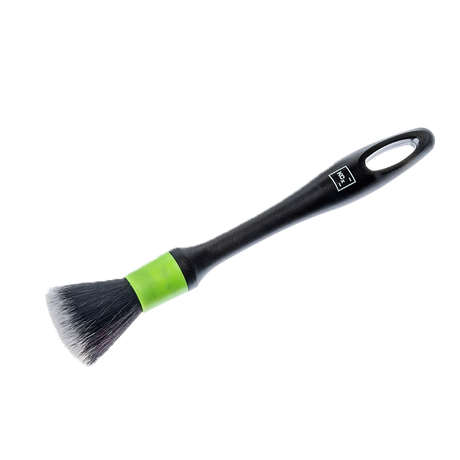
Eine Fläche wird bei der Auswahl fast immer vergessen: die Lüftung. Gräserpollen dringen vor allem über das Lüftungssystem ein, und ein Innenraumfilter, der sich über Herbst und Winter mit Laub und Feuchtigkeit zugesetzt hat, filtert im Frühjahr deutlich schlechter. Für die Lüftungsschlitze selbst brauchst du keinen scharfen Reiniger, sondern Mechanik: ein weicher Detailing-Pinsel holt den Staub aus den Lamellen, der Sauger nimmt ihn direkt ab. Wer im Juni mit juckenden Augen fährt, sollte zusätzlich das Wechselintervall des Innenraumfilters beim nächsten Service ansprechen.
Erst Druckluft und Sauger, dann Chemie, dann Pflege
Profis reinigen den Innenraum trocken vor, bevor die erste Flasche aufgeht: ausräumen, Ritzen und Lüftungsschlitze ausblasen oder ausbürsten, dann gründlich saugen, erst danach kommt der Reiniger.
Der Grund ist mechanisch. Staub, Krümel und Pollen sitzen tief in Sitzschienen, Spalten und Düsen, wo das Tuch sie nie erreicht. Wer direkt nass arbeitet, verteilt diese Partikel als graue Suppe über die Flächen. Trockene Vorarbeit holt den groben Schmutz raus, die Chemie kümmert sich danach nur noch um den festsitzenden Film. Die ausführliche Schritt-für-Schritt-Logik haben wir im Beitrag zur richtigen Reihenfolge bei der Innenraum-Reinigung aufgeschrieben.
Beim nassen Schritt arbeitest du von oben nach unten und sprühst den Reiniger nicht auf die Fläche, sondern auf ein Tuch oder einen weichen Pinsel. So läuft nichts in Schalter, Lautsprecher oder Elektronik. Auf strukturiertem Kunststoff hebt aufgeschäumter Reiniger den Schmutz aus der Narbung, das Mikrofasertuch nimmt die Schmutzemulsion ohne Druck ab.
Ganz am Ende, auf der sauberen und trockenen Fläche, folgt die Pflege: 5 bis 10 Milliliter Top Star „Ts" auf einen Applikationsschwamm, gleichmäßig auftragen, 30 bis 60 Sekunden anziehen lassen, mit einem trockenen Tuch nacharbeiten. Ein Liter reicht so für ungefähr 80 Anwendungen, ein einziges Gebinde begleitet ein gepflegtes Auto also über Jahre.
Beim Finish lohnt ein Gedanke an die Physik der Windschutzscheibe. Ein speckglänzendes Armaturenbrett spiegelt sich bei tiefer Sonne intensiv in der geneigten Scheibe, die Reflexion liegt dann genau im Sichtfeld und strengt die Augen an. Ein seidenmattes Finish bricht das Licht diffus und eliminiert diese Spiegelung fast vollständig. Der Verzicht auf Hochglanz im Cockpit ist also keine Geschmacksfrage, sondern ein Stück Fahrsicherheit, und der Grund, warum Fahrzeughersteller ihre Innenräume matt ausliefern.
Der Lohn der richtigen Reihenfolge zeigt sich übrigens erst in den Wochen danach. Die antistatische Wirkung der Pflege senkt die elektrische Aufladung der Kunststoffflächen, und genau diese Aufladung ist es, die Staub und Pollen magnetisch anzieht. Ein korrekt gepflegtes Armaturenbrett bleibt dadurch spürbar länger sauber, die Abstände zwischen den Reinigungen wachsen, und aus der großen Innenraum-Aktion wird eine kurze Routine. Wer dagegen nur wischt und nie pflegt, fängt jede Woche von vorn an.

Fünf Produkte aus unserem Regal für den kompletten Innenraum
Für die komplette Innenraum-Reinigung reichen zwei Reiniger, eine Pflege und zwei Helfer, alle fünf decken zusammen Kunststoff, Textil, Glas und Dichtungen ab.
Der Mehrzweckreiniger „Mzr" ist die Basis für fast alle Flächen und unser Bestseller in der Kategorie. Der Green Star „Gs" übernimmt mit pH 12,5 die harten Fälle wie verfettete Türgriffe, Pedalerie-Umfeld und Einstiegsleisten, immer verdünnt. Beide sind Konzentrate, deshalb gehört das Sprühkopf-und-Sprühflasche-Set dazu: eine neutrale HDPE-Flasche mit Trigger, in der du deine Verdünnung anmischst und die Mischung beschriftest.
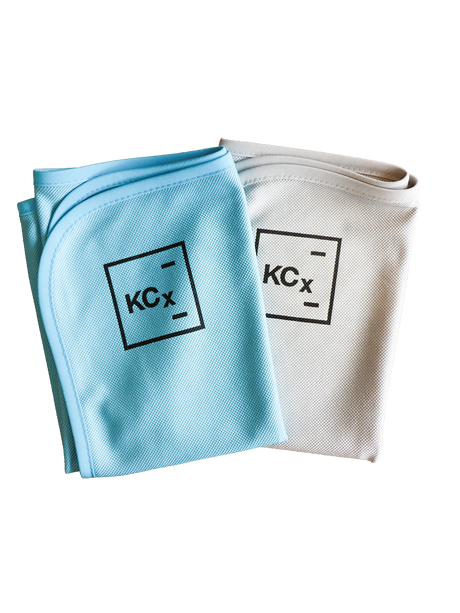
Für das Finish auf Armaturenbrett, Türverkleidungen und Konsolen steht der Top Star „Ts" bereit, eine silikonölfreie Pflegeemulsion mit UV-Schutz und antistatischer Wirkung, Daimler-freigegeben und mit über 19 verifizierten Bewertungen. Käufer beschreiben das Finish übereinstimmend als angenehm zwischen matt und glänzend, genau das macht den Unterschied zum Plastikspeck klassischer Cockpitsprays. Die Scheiben von innen übernimmt das Pro Glass Towel, ein Glastuch-Duo, das Schlieren ohne zusätzliche Chemie abnimmt.
Mehr Auswahl nach Fläche und Hersteller findest du in unserer Kategorie Innenraumreiniger und im kompletten Koch-Chemie-Sortiment.
In der Pollensaison verschiebt sich die Gewichtung dieser Liste leicht. Der Sauger und das Glastuch arbeiten im Juni häufiger, weil Pollen sich auf horizontalen Flächen und an der Innenscheibe absetzen und dort einen feinen, schmierigen Film bilden, sobald Feuchtigkeit dazukommt. Ein kurzer Wisch mit dem leicht feuchten Mikrofasertuch über Armaturenbrett und Innenscheibe, einmal pro Woche, hält die Belastung niedrig, ganz ohne zusätzliche Chemie. Die gründliche Reinigung mit Reiniger und Pflege bleibt dann eine Sache von wenigen Terminen pro Jahr.
Welcher Reiniger für deine Fläche
Die Zuordnung folgt einer einfachen Logik: je empfindlicher die Fläche, desto milder das Mittel und desto kontrollierter die Anwendung.
Wenn Armaturenbrett und Türverkleidungen nur staubig sind, reicht der Mzr in normaler Verdünnung aufs Tuch. Wenn Fett, Nikotin oder Griffspuren sitzen, kommt der Green Star verdünnt zum Einsatz. Wenn die Fläche danach seidenmatt geschützt sein soll, folgt der Top Star „Ts" als Pflegeschritt. Wenn es um Display oder Kamera-Linsen geht, bleibt es beim feuchten Mikrofasertuch. Und wenn Polster wirklich tief verschmutzt sind, arbeitest du punktuell mit wenig Flüssigkeit statt flächig mit viel.
| Fläche | Mittel | Anwendung | Tabu |
|---|---|---|---|
| Hartkunststoff, Konsole | Mzr verdünnt | aufs Tuch sprühen, abnehmen | pur sprühen auf Schalter |
| Fett, Einstiege, Griffe | Green Star 1:10 | aufschäumen, kurz arbeiten lassen | unverdünnt, lange Einwirkzeit |
| Display, Kamera | feuchtes Mikrofasertuch | ohne Druck wischen | Alkohol- und Haushaltsreiniger |
| Gepflegter Kunststoff | Top Star „Ts" | 5–10 ml auf Schwamm, nacharbeiten | Lenkrad, Pedale, Schmutzfilm |
Der Top Star „Ts" hat dabei zwei klare Grenzen, die Koch-Chemie selbst benennt: Er ist kein Reiniger, und er gehört nicht auf Lenkrad, Pedale oder Schalthebel. Alles, was du greifst oder trittst, bleibt pflegemittelfrei, sonst wird es rutschig. Genau diese Ehrlichkeit unterscheidet eine Profi-Pflege von einem Verspricht-alles-Spray.
Bleiben die Spezialfälle. Wenn der Innenraum nach der Reinigung weiter muffig riecht, sitzt die Ursache meist tiefer, in Polstern oder im Verdampfer der Klimaanlage, und kein Oberflächenreiniger der Welt löst das Problem dauerhaft. Wenn Leder im Spiel ist, gelten eigene Regeln mit pH-neutralen Lederreinigern und anschließender Rückfettung. Und wenn du unsicher bist, welcher Fleck auf welchem Material sitzt, teste jedes Mittel zuerst an einer verdeckten Stelle, etwa an der Unterkante der Türverkleidung. Dreißig Sekunden Test ersparen im Zweifel einen dreistelligen Schaden.
Detailing1-Insight: Bei uns landen regelmäßig Anfragen zu fleckigen Armaturenbrettern, und in fast allen Fällen war die Reihenfolge das Problem, nicht das Produkt. Wer eine Pflegeemulsion auf ungereinigten Kunststoff aufträgt, sieht nach zwei bis drei Tagen wolkige Flecken, weil der Staubfilm mit eingeschlossen wird. Ein Kunde hatte sein komplettes Cockpit dreimal mit Pflege nachbehandelt und das Fleckenbild jedes Mal verschlimmert; gelöst hat es eine einzige Vorreinigung mit Mzr in 1:10 und ein trockenes Mikrofasertuch. Merksatz aus unserer Praxis: Erst wenn das Tuch nach dem Wischen sauber bleibt, ist die Fläche bereit für Pflege.

No time for the whole post? Get it summarized: