

Loading...
45,56 zł
Contents: 1000mlUnit price (45,56 zł
/ l)
Unavailable
incl. 23 % VAT, plus shipping, calculated at checkout
Koch-Chemie Gummifix "Guf" rubber and plastic care - 1000 ml / 1 liter is on backorder. As soon as everything in your order is back in stock, we ship it all in one go — delivery time follows whichever item takes longest.
37 in stock
— Ready for immediate dispatch, delivery time 1-4 days
Item added to your cart.
View cart
Shipping & payment methods
Schnellbestellung
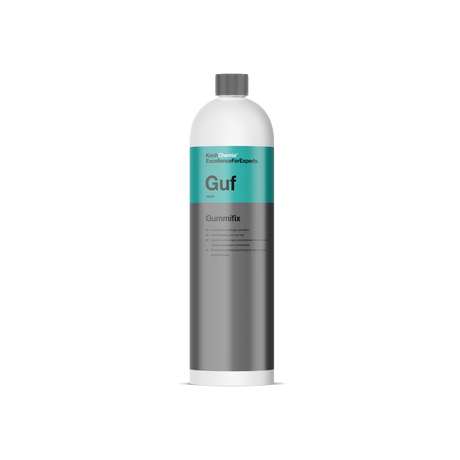
| Koch-ChemieGummifix "Guf" rubber and plastic care 1000 ml / 1 liter In stock (37 units)
|
45,56 zł
Contents: 1000mlUnit price (45,56 zł
/ l)
Unavailable
|
||
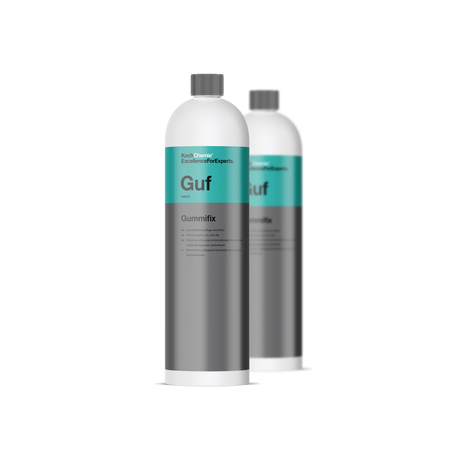
| Koch-ChemieGummifix "Guf" rubber and plastic care 2x 1000ml In stock (18 units)
|
89,34 zł
Contents: 2000mlUnit price (44,67 zł
/ l)
Unavailable
|
||
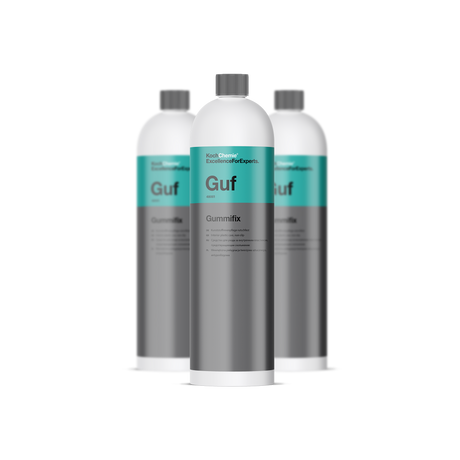
| Koch-ChemieGummifix "Guf" rubber and plastic care 3x 1000ml In stock (12 units)
|
132,59 zł
Contents: 3000mlUnit price (44,20 zł
/ l)
Unavailable
|
||
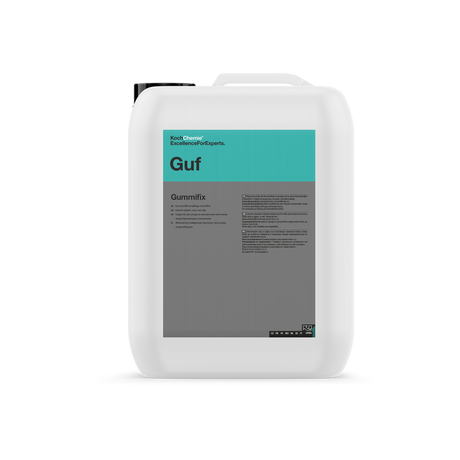
| Koch-ChemieGummifix "Guf" rubber and plastic care 10 liters Backordered (1 unit)
|
352,29 zł
Contents: 10lUnit price (35,23 zł
/ l)
Unavailable
|
Silicone-free rubber and plastic care for non-slip floor mats
Silicone-free rubber and plastic care for non-slip floor mats
Questions and help
Questions and help
Do you have any questions or need help?
We are sure that our help page will help you. There you will find information on how to contact us and the relevant answers to frequently asked questions.
Didn't find what you were looking for? Write us a message in the chat.
shipping
shipping
Shipping to Poland from 38,90 zł with FedEx, DPD or Poczta Polska, delivery time 1-4 days.
All shipping methods, weight tiers and express options are listed in our shipping policy.
Store pickup
Store pickup
Car Care Store in Nordhorn
Why wait when you can get it fast? Order your car care products from us online and choose between convenient pickup or our lightning-fast delivery, whether locally or throughout Europe. We are dedicated to offering you maximum flexibility and convenience so your car always stays in top condition.
You can always pick up your order from Tuesday to Friday, 10:00 to 17:00, at Bosinks Kamp 8 in 48531 Nordhorn at Detailing1. Please have your pickup confirmation ready. We look forward to your visit.
Couldn't load pickup availability

45,56 zł
Contents: 1000mlUnit price (45,56 zł
/ l)
Unavailable
Look after your rubber floor mats without making the pedals slippery, with the Koch-Chemie Gummifix
What is the Koch-Chemie Gummifix? A silicone-oil-free rubber and plastic care for your car interior that darkens floor mats, pedal rubbers and boot liners to a soft satin finish without leaving a slippery surface behind. Not meant for glossy dashboards or outdoor plastic trim that takes the weather all year.
Koch-Chemie Gummifix is a silicone-oil-free care from Koch-Chemie that cleans, feeds and matte-darkens rubber and plastic surfaces inside the car. Because there are no silicone oils in the formula, the treated surface stays grippy — a make-or-break point on pedal rubbers and floor mats, where slipperiness isn't a cosmetic problem but a safety risk. After treatment the mats look fresh and dark, without the typical plastic shine you get from cheap cockpit sprays.

- Silicone-free, and grippy because of it. Run-of-the-mill cockpit sprays built on silicone oil leave a slick film on rubber floor mats. Brake hard and your foot slides on the mat, your shoe loses grip on the pedal rubber. Gummifix works without silicone oils and keeps the natural grip of the surface — you feel the difference in the first emergency stop, not just on a lab readout.
- Satin darkening instead of plastic shine. The formula brings back colour depth and texture without lacquering the surface. Rubber mats look like the day you bought them, plastic footwells look fresh rather than mirror-like. This is the look detailers and reconditioners reach for on used cars before the sales photos go up — sharpen it up without overdoing it.
- One litre covers 20 to 30 sets of mats. You need 30 to 50 ml of product per full four-mat set. So the 1 L canister covers one to two years of regular care, while the 10 L canister is the trade standard for workshops and fleets. That works out to about EUR 0.35 in material per set of mats from the 1 L container — and a fair bit less from the 10 L canister.
Day-to-day from Detailing1: The most common mistake with Gummifix is laying it on too thick. The product doesn't soak into the surface like a coating, it dries on top — too much material means a greasy film instead of satin depth. Spray on a thin mist, spread it evenly with a microfibre cloth, and let it flash off completely for at least 30 minutes before the mats go back in the car. Put the mats in wet and you get exactly the slippery surface that going silicone-free was meant to avoid.
Clean mat. Thin coat. 30 minutes to dry.
You spray Gummifix onto the clean, dry surface or wipe it on with a sponge — not onto wet or freshly shampooed rubber. Leftover moisture dilutes the product and stops the surface from taking it up evenly.
Before you treat them, the mats come out of the car, get shaken out, degreased with APC or a plastic cleaner and rinsed clear. Only once the surface is visibly clean and dry does the care make any sense. Eight to ten spray bursts per mat, spread it quickly with a microfibre cloth — with heavy soiling, go twice thin rather than once thick.
Same logic for pedal rubbers, just on a smaller scale: three to four bursts per pedal, spread it with a fingertip on the microfibre cloth, let it flash off. Most pedal rubbers have a fine tread that quickly clogs with dust and rubber dust — here Gummifix doesn't just lift the colour, it cleans as you spread it.
Drying time is the setting that gets skipped most often. At 20 °C room temperature, full flash-off takes 30 to 60 minutes, quicker in the summer sun, a lot longer in a cold winter garage. Rule of thumb: when the mat doesn't feel damp to the touch and you don't leave a film on your glove, it can go back in the car. When in doubt, air it an hour longer, not five minutes shorter.
Working straight from the 1 L canister does work, but it's too imprecise on fine pedal rubbers or seat consoles. A spray bottle with an adjustable fine-mist head is the difference between dosing and a full bath — pedal rubbers especially are small areas that cop too much product head-on.

Mats and pedals yes. Dashboard no.
The core job for Gummifix is the horizontal surfaces in the footwell and boot: rubber floor mats, plastic footwells, pedal rubbers, boot liners and sill trims. On these surfaces the satin darkening plays to its strengths — a fresh look without the artificial shine that looks out of place down in the footwell.
It works reliably on rubber seals, door rubbers and boot seals too — it keeps the seals supple and stops them cracking from drying out, especially after UV exposure in the summer. Once a season on the seal rubbers is enough for that; twice a year is plenty for cars that spend a lot of time outdoors.
On tyre sidewalls and outdoor rubber that's permanently weathered, Gummifix isn't your first pick — its life under the weather is around two to three washes, then the care starts to wash off. For tyres there are dedicated tyre dressings with longer staying power and UV protection; for outdoor plastics like bumper add-ons or wheel-arch trims we stock the Koch-Chemie Plast Star — also silicone-oil-free, but with higher weather resistance.
Where Gummifix is the wrong product: glossy dashboards, cockpit plastic on the dash and door cards. There you usually want a light shine, not matte darkening. The Koch-Chemie Top Star is the alternative for that — same brand, with a satin-gloss finish instead of matte darkening.
If safety on the pedals and mats is your priority, grab the Gummifix. If you want shine on the dashboard, reach for the Top Star. Having both in the garage costs less together than a single shop visit and covers 90 percent of interior care — for the other 10 percent (leather, Alcantara, upholstery) you'll need dedicated products anyway.

Gummifix or Gkg or Gkv
Koch-Chemie has three rubber and plastic care products in the range — same product category, three different jobs. This breakdown saves you the wrong buys we often see in support when customers mix up the three abbreviations.
Gummifix — abbreviation Guf — is the matte, grippy option for floor mats and pedal rubbers. The Koch-Chemie Gummi- und Kunststoffpflege Gkg produces a clear high gloss and is meant for visible exterior parts like bumper plastic or wheel-arch trims — where you actually want shine. The Gkv is the third tier with an added vinyl component for boat covers, convertible tops and vinyl flooring — more specialised, usually too much product and too pricey per use for everyday cars.
Our usage profile from 10 years on the job: Gummifix for everything your shoe touches getting in and out. Gkg for visible exterior plastics that should shine. Gkv for special materials like marine applications. If you only want one product on the shelf and mostly look after the footwell, Gummifix is the right call.
The 1 L canister lasts one to two seasons on one car, the 10 L canister is the trade standard for workshops, dealerships and fleets with 20 to 50 vehicles. Between the two sizes sit the two- and three-packs of the 1 L container, which ease the step up to the 10 L canister price-wise without having to jump straight to a commercial quantity.
A Detailing1 insight you won't read from the manufacturer: Gummifix is also the ideal product after an interior clean with steam. After steam cleaning, rubber floor mats are extremely open-pored and take care up especially well — a single thin coat then gives you a depth and staying power that would take three applications without the prep. Steam-clean your mats once a year and care for them straight after, and you'll have mats that still look after three years like they did at six months.
The second insight is about pairing it with how you handle interior textiles: if you've got carpet floor mats in the car and rubber floor mats as a winter set, give the rubber mats one solid treatment with Gummifix in spring before they go down to the cellar. The product stops them drying out and going brittle over the summer — in autumn the mats come back into the car looking like the day you put them away. No chalking, no white haze, no hardened edges.

Not sure about Koch-Chemie Gummifix "Guf" rubber and plastic care? Get it explained:
Add Detailing1 as a preferred source on GoogleFrequently Asked Questions about Koch-Chemie Gummifix
What is Koch-Chemie Gummifix used for?
Gummifix cares for rubber and plastic surfaces in the vehicle interior — floor mats, pedal rubbers, plastic footwells, load compartment linings, door rubbers, and trunk seals. The surfaces are darkened to a silky matte finish, their color depth is refreshed, and the materials are protected from drying out. Because the formulation is silicone oil-free, the treated surface remains grippy — important wherever shoes need to find purchase when getting in and out of the car.
How do I apply Gummifix correctly?
Prepare the surface clean and dry, then spray a thin mist and spread evenly with a microfiber cloth. Eight to ten sprays are sufficient per floor mat. Allow to air dry completely for at least 30 to 60 minutes before returning the mats to the car. Do not apply to damp surfaces, do not spray directly from the canister onto small areas — a spray bottle with a fine mist provides better dosage.
What is the difference between Gummifix, Gkg, and Gkv?
Three Koch-Chemie care products for three tasks: Gummifix is matte and non-slip for floor mats and pedals in the interior. Gkg provides a significant high gloss on exterior plastics like bumpers. Gkv additionally contains vinyl components for convertible tops and boat covers. If you are only looking for a product for the footwell, use Gummifix — the other two are intended for special applications.
Is Gummifix suitable for all plastics and rubbers?
Yes, for interior applications: rubber floor mats, plastic footwells, pedal rubbers, door sills, trunk linings, sealing rubbers. Before the first use, test on an inconspicuous area — especially on flocked surfaces, velvet applications, or open-pored textile mats. Not ideal for tire sidewalls and exterior plastics permanently exposed to weather: for these, we use Koch-Chemie Plast Star with longer durability under UV and rain.
Why do my mats feel slippery after using Gummifix?
In 90 percent of cases, it's due to applying too much product or insufficient drying time. Although Gummifix is silicone oil-free, as long as the care product is still wet on the surface, it will naturally be slippery. The solution is simple: allow to air dry for at least 30 minutes, or an hour if in doubt. If the film remains greasy after drying, too much product was on the mat — buff with a dry microfiber cloth.
How often should I apply Gummifix?
For private use, refreshing floor mats and pedals every four to six weeks is sufficient. Sealing rubbers once per season, i.e., two to three times a year. In workshop and fleet operations, after every complete interior cleaning. One liter is enough for 20 to 30 mat sets, the 10-liter canister covers around 300 mat sets — this amounts to 15 to 30 ml per application, depending on mat size and care interval.
Just ask us. Daniel will help you.
Application of Koch-Chemie Gummifix
Prepare, dose, dry thoroughly
Remove the floor mats and rubber parts from the vehicle, shake them out, and thoroughly degrease them with an all-purpose cleaner or a plastic cleaner. Rinse with clear water and let them dry completely — no residual moisture, no damp mist in the tread grooves. Only then is the surface ready for treatment.
Transfer Gummifix into a spray bottle with a fine-mist adjustable nozzle. Working directly from the 1-liter canister only works on large surfaces with ample distance — for pedal rubbers and seat consoles, it's too coarse. The spray bottle allows for eight to ten targeted sprays per mat and three to four fine sprays per pedal.
Spray a thin layer of the product onto the surface and immediately distribute it evenly with a clean microfiber cloth. The cloth should not be soaking wet — as soon as it feels damp, move on to the next section of the mat. For pedal rubbers, use your fingertip with the cloth to massage the treatment into the profile, ensuring no excess remains.
Then, allow it to air dry completely — at 20 °C room temperature for 30 to 60 minutes, faster in the summer sun, significantly longer in a cold garage in winter. The mat must feel dry and grippy to the touch. If a greasy film remains, buff with a dry microfiber cloth until the surface is matte and non-slip.
For door and trunk seals, once per season is sufficient — spray the product onto a microfiber cloth and wipe the seal with it. Do not spray directly onto the seal, as the product will run into crevices and attract dust.
Notes: Gummifix is liquid and flammable — store in original packaging, frost-free, between 5 and 30 °C, and keep away from ignition sources. Vapors can cause drowsiness, so work in well-ventilated rooms or directly outdoors. Contact with eyes causes severe irritation — in case of splashes, rinse immediately with plenty of water. Do not apply on hot surfaces (summer, pedals after driving). Before first use, test on a hidden area, especially on open-pored textile mats or flocked surfaces. Opened containers should be used within 24 months — after that, the active ingredient consistency may deteriorate.
Safety information for Koch-Chemie Gummifix "Guf" rubber and plastic care
Approved for private customers
This product, marked “Approved for private customers”, is packaged, declared, registered and certified for private customers under German law. Please observe the hazard and precautionary statements.
Material composition
Propan-2-ol (CAS 67-63-0, EC 200-661-7) — 70 – 80 %
Danger

Flammable

Harmful
| Highly flammable liquid and vapour. | H225 |
| Causes serious eye irritation. | H319 |
| May cause drowsiness or dizziness. | H336 |
| If medical advice is needed, have product container or label at hand. | P101 |
| Keep out of reach of children. | P102 |
| Keep away from heat, hot surfaces, sparks, open flames and other ignition sources. No smoking. | P210 |
| Avoid breathing dust/fume/gas/mist/vapours/spray. | P261 |
| Use only outdoors or in a well-ventilated area. | P271 |
| Wear protective gloves/protective clothing/eye protection/face protection. | P280 |
| IF IN EYES: Rinse cautiously with water for several minutes. Remove contact lenses, if present and easy to do. Continue rinsing. | P305+P351+P338 |
| Call a POISON CENTRE/doctor if you feel unwell. | P312 |
| Store in a well-ventilated place. Keep container tightly closed. | P403+P233 |
| Store locked up. | P405 |
| Dispose of contents/container to an approved waste disposal plant. | P501 |
VOC content
75% — proportion of volatile organic compounds.
Downloads
Download safety data sheet
This product information is intended only as non-binding advice. No liability on our part can be derived from it. Please check whether the product is suitable for your application. Test for suitability and compatibility before use. We are happy to advise you.
Questions about this information?
More about Koch-Chemie
More about Koch-Chemie
Contact
Koch‑Chemie GmbH
Einsteinstr. 42, 59423 Unna, Deutschland
+492303986700
info@koch-chemie.com
koch-chemie.com
Specifications
Specifications
Ausführung
-
Inhalt1000 ml
-
ArtikelnummerD1-KCX-48001
-
EAN4260188687837
-
Herstellernummer48001
-
Gewicht935 g
Eigenschaften
-
Einsatzbereich am FahrzeugGummi
Kennnummern und Transport
-
UN-NummerUN1219
-
ADR-Klasse3
-
ADR-VerpackungsgruppeII
Produkt
-
Hersteller
-
ProdukttypRubber care
-
Kategorie
Legal guarantee
Legal guarantee
payment
💳 Secure payment
Choose from many payment methods such as PayPal, BLIK, Klarna, Apple Pay, Mastercard or Visa and benefit from pay later and instalment options. Your payment details are always processed securely. Questions about payment?
📦 Fast shipping
Your order reaches you from 38,90 zł in 1-4 days with FedEx, DPD or Poczta Polska. Questions about shipping?
More on this in the guide
View all
Discover Koch-Chemie
View all
Koch-Chemie
Discover everything from Koch-Chemie-
Koch-Chemie
Green Star "Gs" Universal Cleaner
Highly alkaline APC concentrate for workshops, engine bays and lifts
In stock (24× 1000 ml / 1 liter · 2× 5 liters · 2× 11kg)Pre-order (22kg)From 35,44 złContents: 1000mlUnit price (35,44 zł / l)Unavailable -

Koch-Chemie
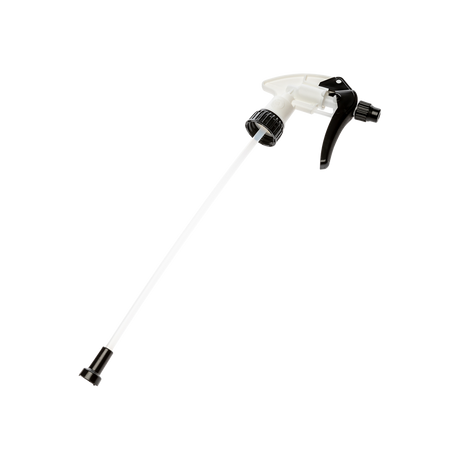
Spray Head "Star" (28/400) CHS-3AN by Canyon
Chemical spray head for 28/400 bottles with stepless nozzle
In stock (123 units)25,28 złContents: 1 pieceUnit price (25,28 zł / piece)Unavailable -
Koch-Chemie
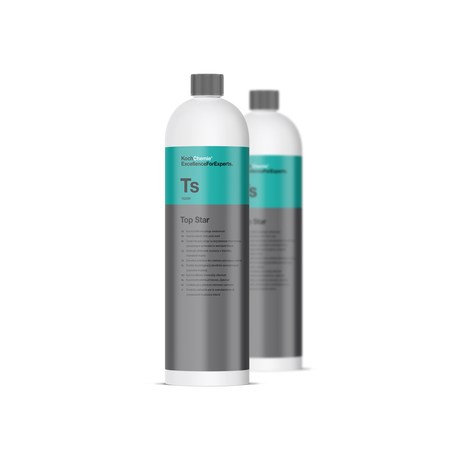
Top Star "Ts" Interior Plastic Care
Silicone-free Plastic Care with UV Protection and Silk-Matte Finish
In stock (44× 1000 ml / 1 liter · 1× 10 liters)From 88,67 zł96,25 złContents: 1000mlUnit price (88,67 zł / l)Unavailable -
Koch-Chemie
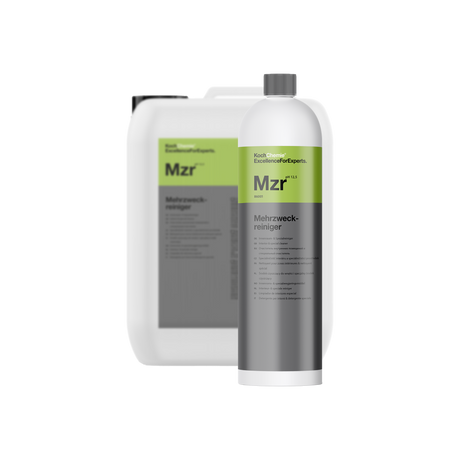
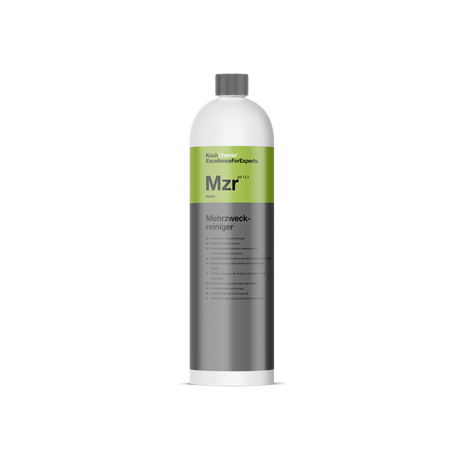
Multi-Purpose Cleaner "Mzr" All-Purpose Cleaner
Alkaline cleaner concentrate with pH 12.5 and Daimler approval
In stock (40× 1000 ml / 1 liter · 1× 11kg · 1× 21kg)From 45,56 złContents: 1000mlUnit price (45,56 zł / l)Unavailable -
Koch-Chemie
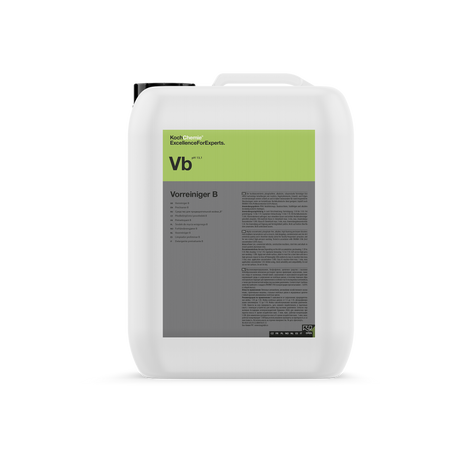
Vorreiniger B "Vb" Pre-Cleaner
Alkaline pre-cleaner for car and truck pre-washing, VDA-compliant
In stock (48× 1000 ml / 1 liter · 6× 5kg)Backordered (2× 11kg)Pre-order (22kg)From 35,44 złContents: 1000mlUnit price (35,44 zł / l)Unavailable -
Koch-Chemie
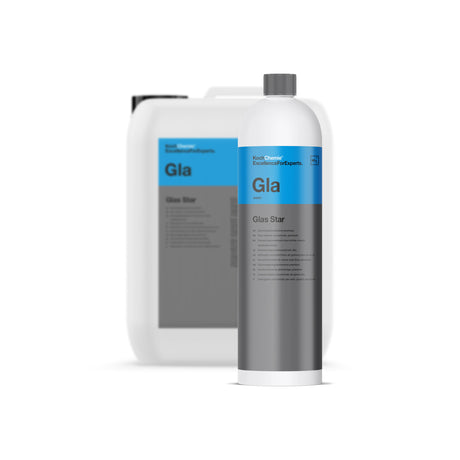
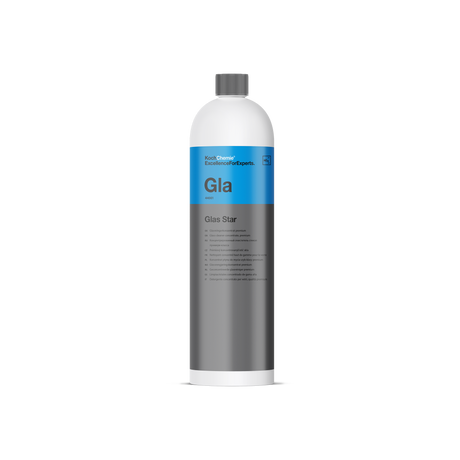
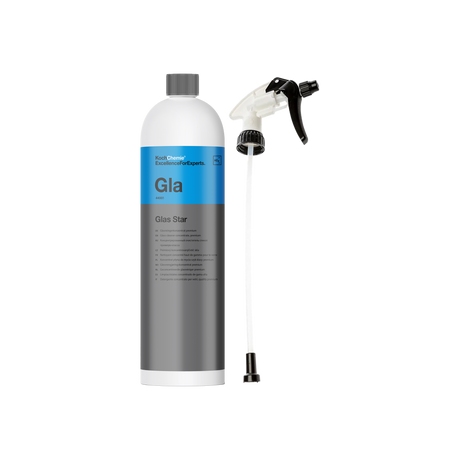
Glas Star "Gla" Glass Cleaner Concentrate
Concentrated alcohol-based glass cleaner with Daimler approval
In stock (12× 1000 ml / 1 liter · 1× 10 liters)Pre-order (20 liters)From 40,53 złContents: 1000mlUnit price (40,53 zł / l)Unavailable -
Koch-Chemie
Cleans thoroughly and gently, preserves the shine of the paint surface
In stock (29× 1000 ml / 1 liter · 4× 10 liters)Pre-order (21kg)From 35,44 złContents: 1000mlUnit price (35,44 zł / l)Unavailable -
Koch-Chemie
Reactive Rust Remover "Rrr" iron fallout remover
Maximum cleaning performance for flawless results without compromise
In stock (31× 500 ml)Backordered (5× 5kg)Pre-order (11kg)From 73,43 zł81,05 złContents: 500mlUnit price (146,86 zł / l)Unavailable -
Koch-Chemie
Teerwäsche A "Tea" Bitumen & Tar Remover
Perfect bitumen and tar removers for a flawless finish
In stock (23× 1000 ml / 1 liter · 1× 10 liters)Pre-order (20 liters)From 45,56 złContents: 1000mlUnit price (45,56 zł / l)Unavailable -
Koch-Chemie
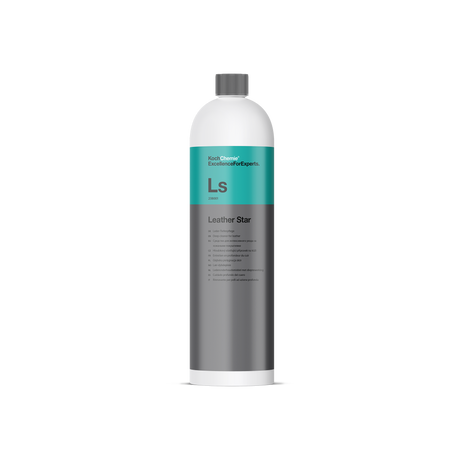
Leather Star "Ls" Leather Care
Ready-to-use leather care emulsion with active UV blockers
From 65,85 złContents: 1000mlUnit price (65,85 zł / l)Unavailable -
Koch-Chemie
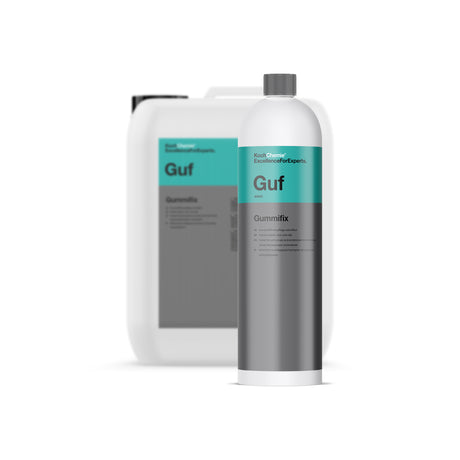
Gummifix "Guf" rubber and plastic care
Silicone-free rubber and plastic care for non-slip floor mats
In stock (37× 1000 ml / 1 liter)Backordered (1× 10 liters)From 45,56 złContents: 1000mlUnit price (45,56 zł / l)Unavailable -


 Acid-free
Koch-Chemie
Magic Wheel Cleaner "Mwc" Wheel Cleaner
Acid-free wheel cleaner with color change for daily workshop use
In stock (41× 500 ml · 1× 10 liters)From 68,39 zł76,01 złContents: 500mlUnit price (136,78 zł / l)Unavailable












Products in this category
View all-
Koch-Chemie
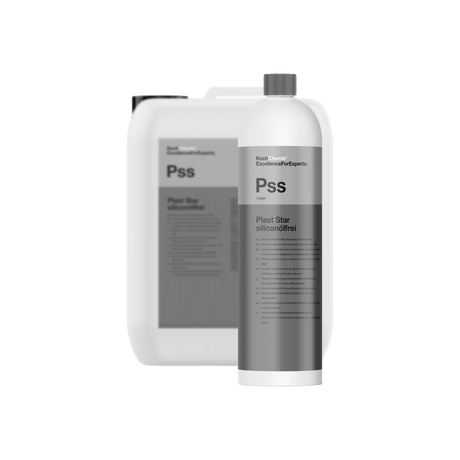
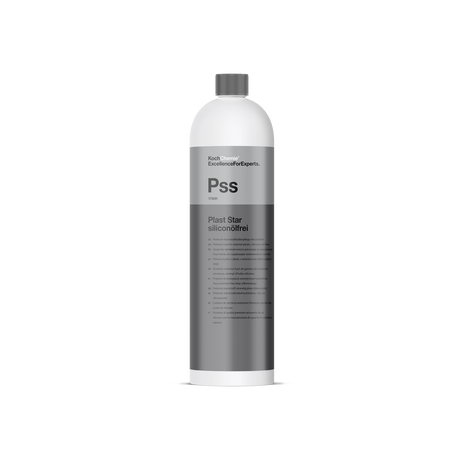
Plast Star "Pss" Premium Plastic Care Silicone Oil-Free
Premium care for exterior plastic and rubber without silicone oil
In stock (39× 1000 ml / 1 liter)Pre-order (10 liters)From 83,59 zł91,17 złContents: 1000mlUnit price (83,59 zł / l)Unavailable -
Koch-Chemie
Hydro Plast Care "Hpc" Plastic Care Concentrate (Water-Dilutable)
Water-dilutable plastic care concentrate, gloss level adjustable
In stock (11× 1000 ml / 1 liter)Backordered (2× 5 liters)From 63,35 zł70,89 złContents: 1000mlUnit price (63,35 zł / l)Unavailable -
Koch-Chemie
Koch-Chemie Kunststoff-Färber "Kfs" Black Plastic Care
Plastic dye for long-lasting color refreshing and protection
Low stock (6 units)154,52 zł167,27 złContents: 250mlUnit price (618,08 zł / l)Unavailable -

 Long-lasting plastic care with a silky matte finish
Koch-Chemie
Rubber, Plastic & Vinyl Care "Gkv" Plastic Care
Backordered (1× 10 liters)Pre-order (20 liters)From 587,96 złContents: 10lUnit price (58,80 zł / l)Unavailable -
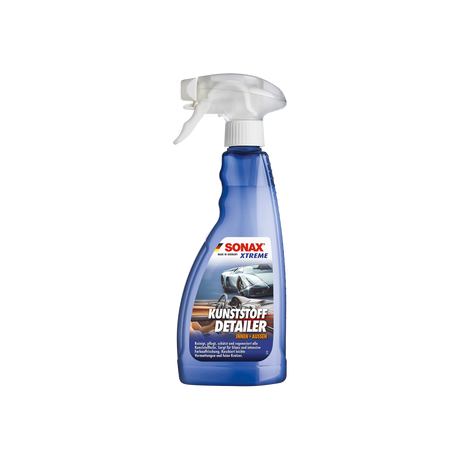 EXTREME
SONAX
XTREME Plastic Detailer "Interior+Exterior" Plastic Care
Plastic Detailer — 4-in-1 Care for Interior & Exterior Plastics
Low stock (4 units)63,35 zł91,17 złContents: 500mlUnit price (126,70 zł / l)Unavailable -

 ULTIMATE
Meguiars
Ultimate Black Plastic Restorer Trim Care
Lasting deep black restoration — water-resistant formula
83,59 zł100,85 złContents: 355mlUnit price (235,46 zł / l)Unavailable -
 EXTREME
SONAX
XTREME Plastic Gel "Exterior" Plastic Care
Plastic Gel "Exterior" — deeply effective, regenerates bumpers
53,19 zł78,51 złContents: 250mlUnit price (212,76 zł / l)Unavailable -


Koch-Chemie
Koch-Chemie Rubber & Plastic Care Gloss "Gkg" — Plastic Care
Highly effective shine care for plastic and rubber parts
In stock (2 units)684,25 złContents: 10lUnit price (68,43 zł / l)Unavailable -
Dr. Wack "A1"
A1 "Kunststoff-Tiefenpfleger" Trim Care (Matt)
Matt trim care inside and out, cuts reflections
In stock (3× 250ml)Pre-order (50 ml)From 30,36 złContents: 50mlUnit price (607,20 zł / l)Unavailable -


CarPro
"Perl" SiO2-Coat Plastic & Rubber Dressing
water-repellent, solvent-free plastic care product
From 70,49 złContents: 500mlUnit price (140,98 zł / l)Unavailable -


 PROFILINE
SONAX
PROFILINE PlasticCare Plastic Care
Solvent-free plastic care for interior, exterior trim & engine bay
Low stock (5× 1000 ml / 1 liter · 1× 25 liters)From 93,71 zł127,86 złContents: 1000mlUnit price (93,71 zł / l)Unavailable -
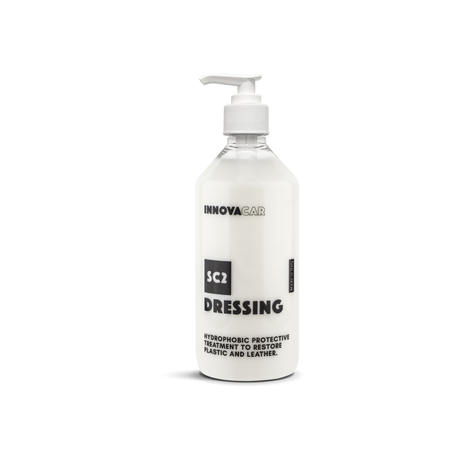

 Personal care product
INNOVACAR
"SC2" Dressing Plastic Trim Care
Plastic care for maintenance, protection, and regeneration
In stock (10× 500ml · 6× 100ml)From 37,98 zł76,06 złContents: 100mlUnit price (379,80 zł / l)Unavailable -

GYEON
GYEON Q²M Preserve – SiO₂ plastic protectant for matte black
In stock (1 unit)65,89 złContents: 500mlUnit price (131,78 zł / l)Unavailable -
 PROFILINE
SONAX
PROFILINE PlasticProtectant "Exterior" Plastic Care
PlasticProtectant Exterior — Silicone-Free Plastic Deep Treatment
Low stock (5 units)124,16 zł167,68 złContents: 1000mlUnit price (124,16 zł / l)Unavailable -

 HEAVY DUTY
Meguiars
HEAVY DUTY Trim Kit Plastic Care Set
2-step restoration kit for black plastic attachments
In stock (2 units)149,49 zł176,90 złContents: 1 pieceUnit price (149,49 zł / piece)Unavailable -

 A1
A1Dr. Wack "A1"
A1 "Kunststoff-Tiefenpfleger" Trim care (gloss)
Glossy exterior trim care that stands up to car washes
In stock (2 units)65,85 zł81,05 złContents: 250mlUnit price (263,40 zł / l)Unavailable -
 HYBRID CERAMIC
Meguiars
Hybrid Ceramic Trim Restorer Plastic Care
Restore Faded Plastic with SiO2 Protection
Low stock (4 units)103,88 zł121,13 złContents: 473mlUnit price (219,62 zł / l)Unavailable -

 NEW: 2024 Version
CarPro
Car Care Starter Kit with Carrying Case and Premium Care Products
252,96 złContents: 1 pieceUnit price (252,96 zł / piece)Unavailable -


Soft99
Long-lasting protection and revitalization for automotive plastics
65,85 złContents: 8mlUnit price (8.231,25 zł / l)Unavailable


Detailing101
View all-

Dried-On Water Spots on Your Car: Acid or Polish?
Daniel von Detailing1 |
-

Removing stickers from your car: the trick that beats adhesive residue
Daniel von Detailing1 |
-

Clay bar your car: when the paint needs it before winter
Daniel von Detailing1 |
-

How to Dry Your Car: 5 Myths That Leave Water Spots on Your Paint
Daniel von Detailing1 |
-

How to store tyres properly and why the wheel has to be clean first
Daniel von Detailing1 |
-

5 wheel arch cleaning mistakes that damage the arch lip
Jasper von Detailing1 |
-

Treat your door seals before the first frosty night freezes the door shut
Daniel von Detailing1 |
-

Remove baked-on brake dust before the road salt arrives
Daniel von Detailing1 |
-

5 wheel zones that each need a different wheel brush
Jasper von Detailing1 |
-

Acid-free or acidic wheel cleaner: what your wheel can take
Daniel von Detailing1 |
-

How to Do the Two-Bucket Method Right: Amounts, Order and the Rinse Bucket Move
Daniel von Detailing1 |
-

5 Mistakes That Break Down Your Rain Repellent in Winter
Daniel von Detailing1 |